
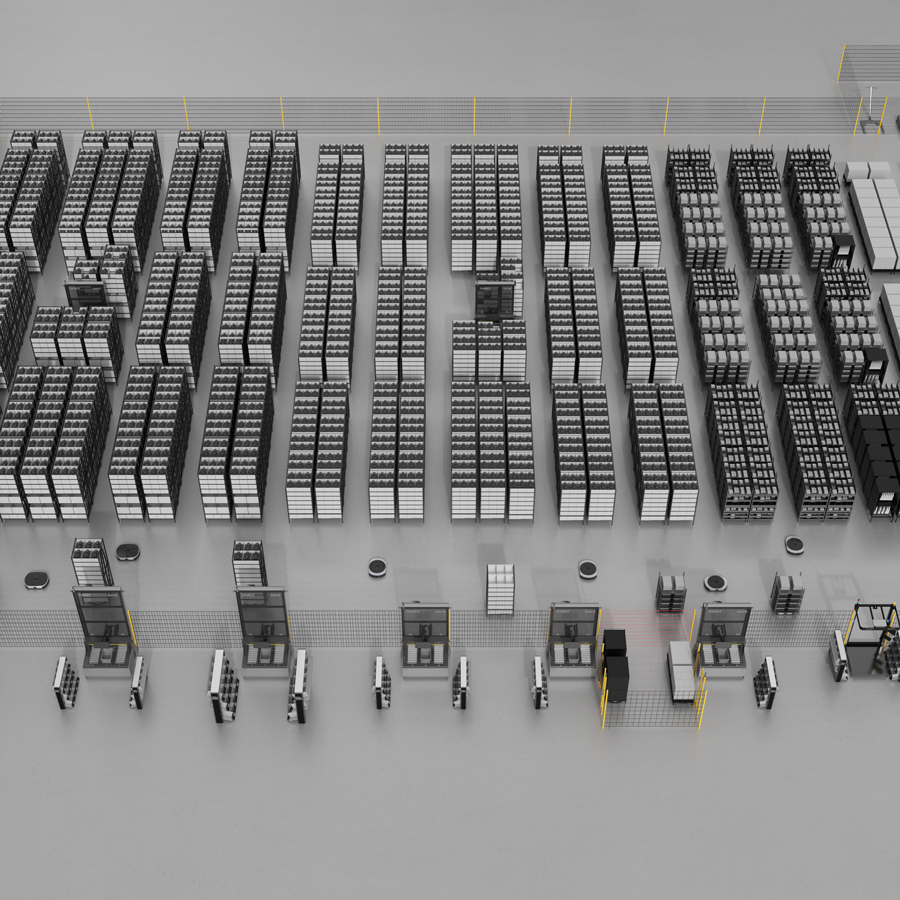
Shelf-to-Person
Autonomous mobile robots transport storage shelves directly to picking stations, reducing unnecessary operator movement and enabling efficient, flexible order fulfillment.

Concept Development
Building on the analysis phase, we translate operational requirements and business objectives into tailored warehouse automation concepts. We explore different approaches to material flows, storage strategies and operational processes to identify the solution that best supports your warehouse.
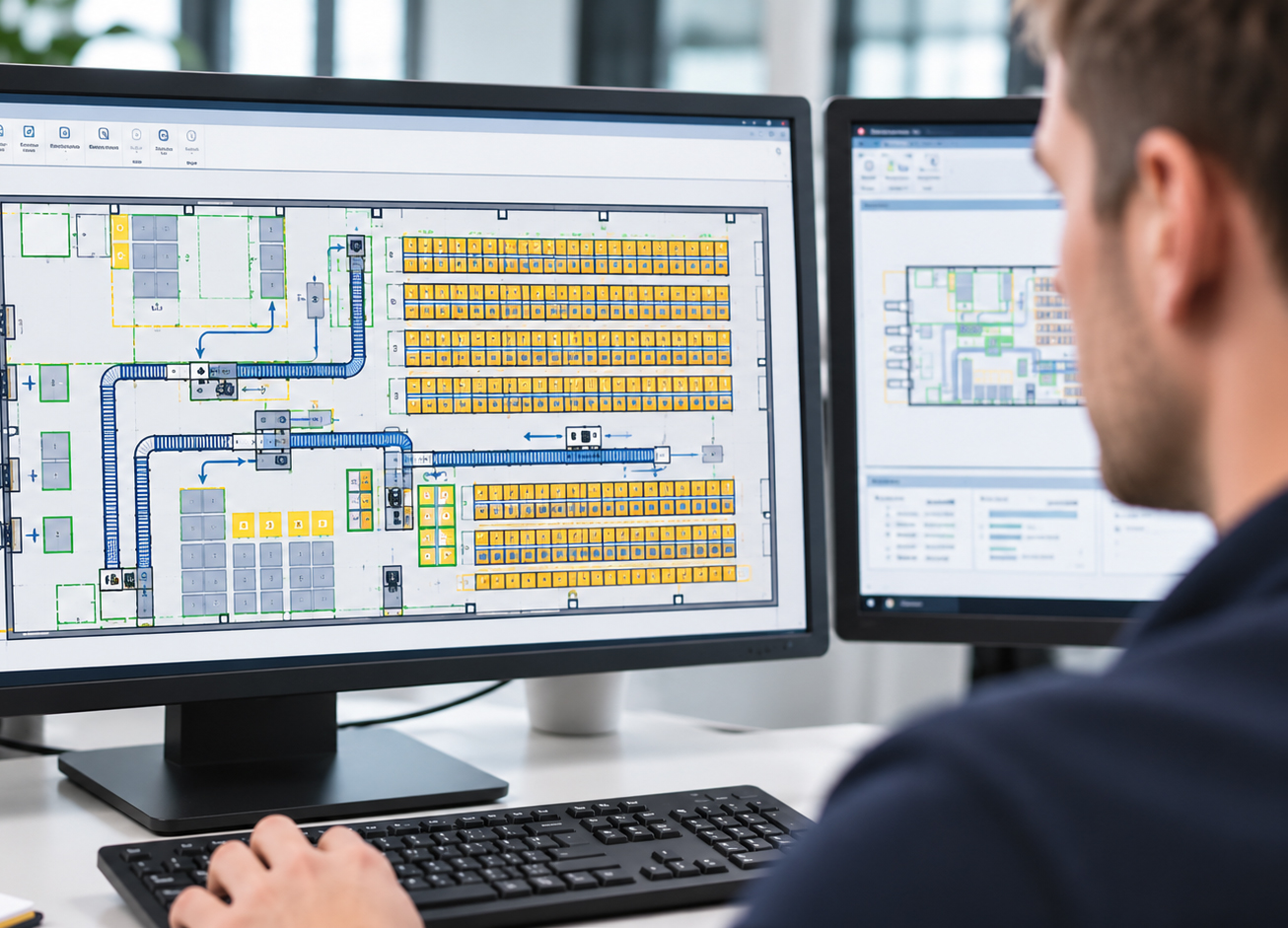
Automation Concepts
With mobile robotic technologies, we develop automation solutions based on three core concepts: Shelf-to-Person, Tote-to-Person and Pallet-to-Person. Each concept offers different advantages depending on your product characteristics, order profiles, storage requirements and operational processes.
Autonomous mobile robots transport storage shelves directly to picking stations, reducing unnecessary operator movement and enabling efficient, flexible order fulfillment.
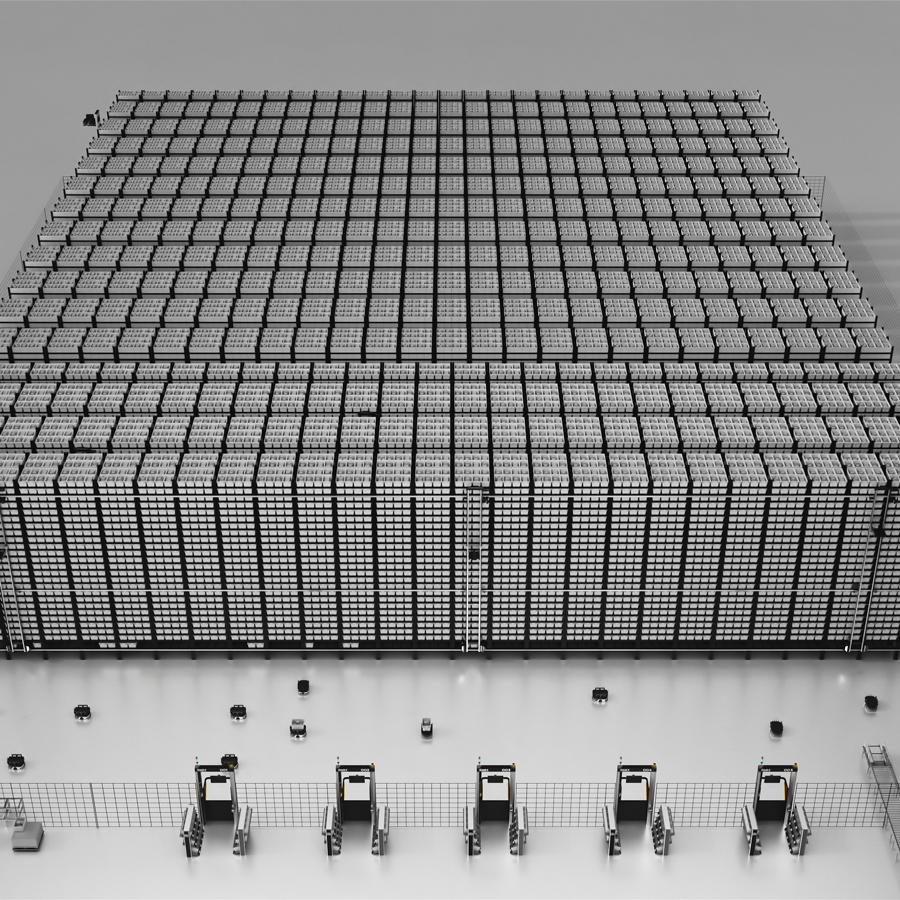
Robotic systems retrieve and deliver individual totes to picking stations, combining high-density storage with efficient inventory access and picking performance.
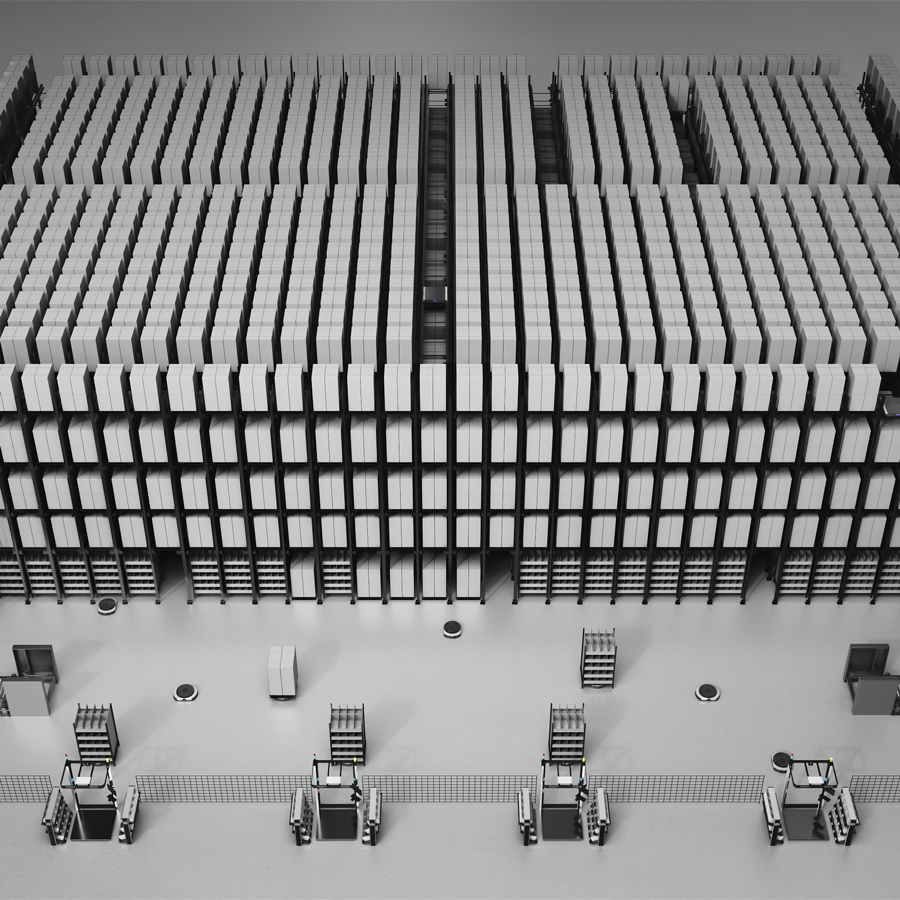
Robotic pallet handling solutions support the automated movement and presentation of palletized goods, enabling efficient handling of larger loads and pallet-based operations.
System Configuration
Selecting the right automation concept is only the beginning. We carefully combine robotics, storage and picking processes to create a solution tailored to your operational needs. From robot selection and storage configuration to picking stations and material flows, every element is designed to ensure efficiency, reliability and scalability.
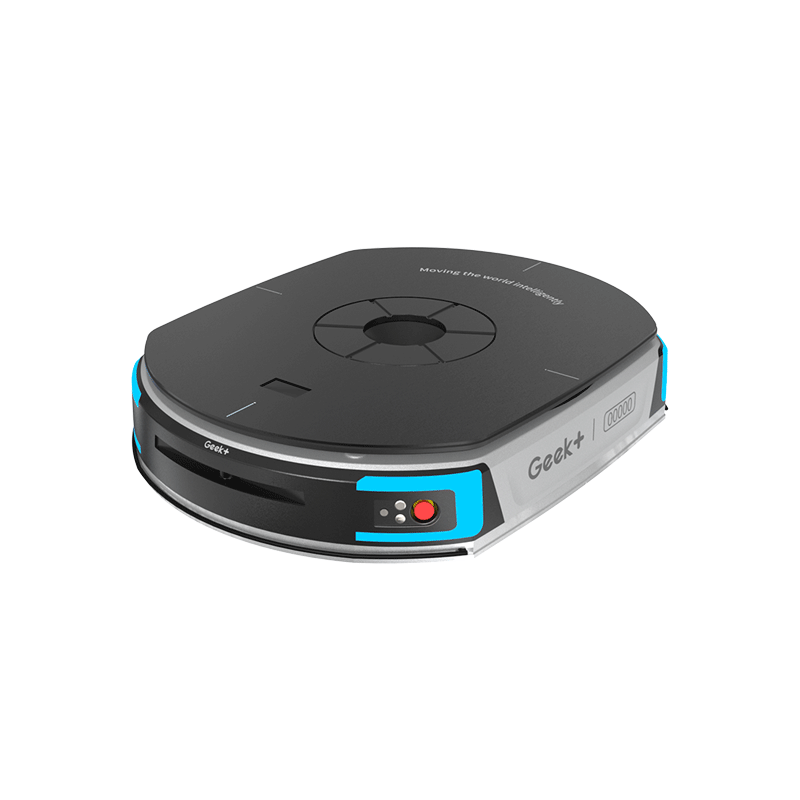
We determine the appropriate robot types, quantities and operating principles based on required capacity, travel distances, material flows and system performance.
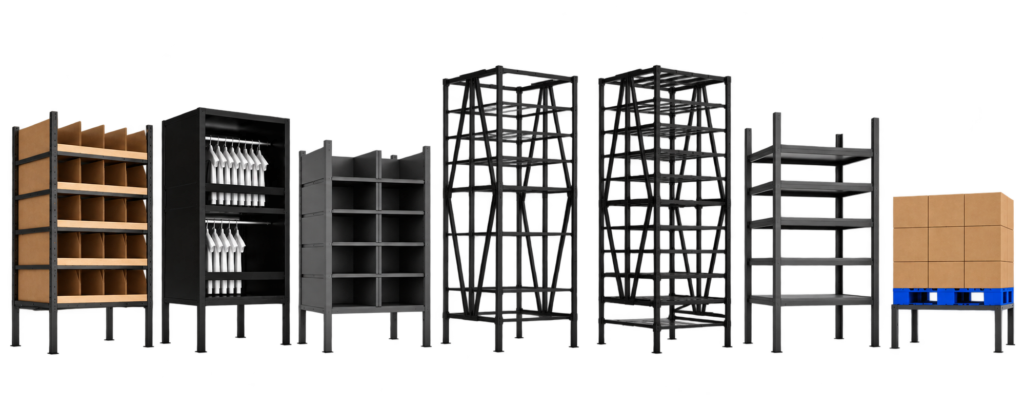
We design the storage configuration around your inventory characteristics, available space and capacity requirements, balancing storage density with accessibility and operational efficiency.
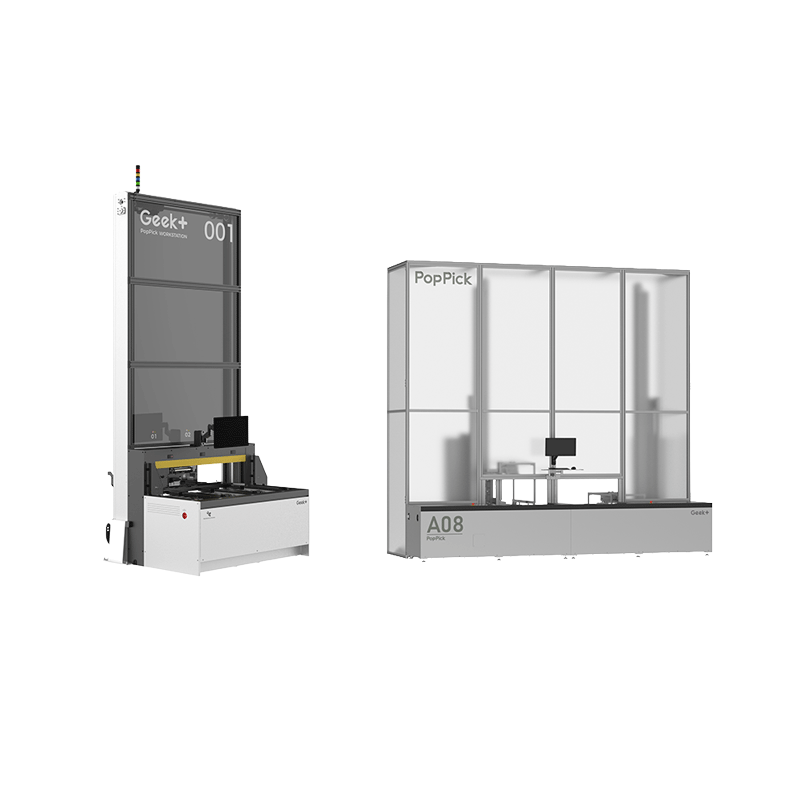
We define the picking strategy and workstation configuration to support efficient order processing, ergonomic operations and the required throughput.

With the automation concept and system configuration defined, we move into simulation to evaluate system performance, identify potential bottlenecks and refine the design before implementation.